Architecture And Lifestyle In Historic Old Northeast
July 9, 2026
July 9, 2026
If you are looking for a St. Petersburg neighborhood with real architectural character, Historic Old Northeast tends to stand out quickly. It offers a rare mix of preserved homes, brick streets, waterfront scenery, and close access to downtown, all within one established residential district. If you want to understand what daily life here actually feels like and what kinds of homes define the area, this guide will help you picture it clearly. Let’s dive in.
Historic Old Northeast is the local name commonly used for the North Shore Historic District in St. Petersburg. According to the National Register nomination, the district spans roughly 425 acres and includes nearly 3,000 contributing historic buildings. That scale gives the neighborhood a sense of continuity that is hard to replicate.
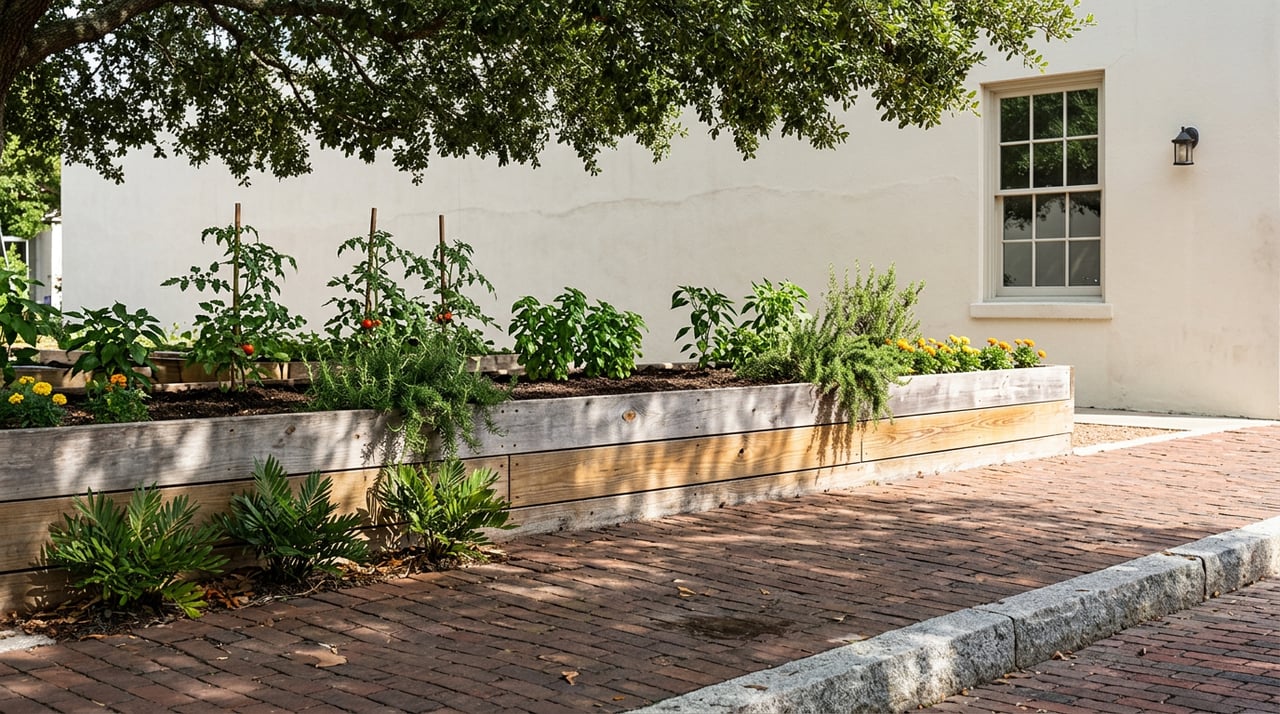
The district sits just north of downtown on high, well-drained land that slopes toward Tampa Bay and Coffee Pot Bayou. It is laid out on a rectangular street grid with alleys, and many streets and alleys still retain original red brick paving and granite curbs. Those details shape the neighborhood experience as much as the homes themselves.
Because the area is immediately adjacent to downtown, you get a residential setting without feeling disconnected from the city. Local tourism material also notes a nearby shopping and restaurant scene, neighborhood bus service, and downtown nightlife just minutes away. In practical terms, that means you can enjoy a quieter home base while staying close to daily conveniences and city events.
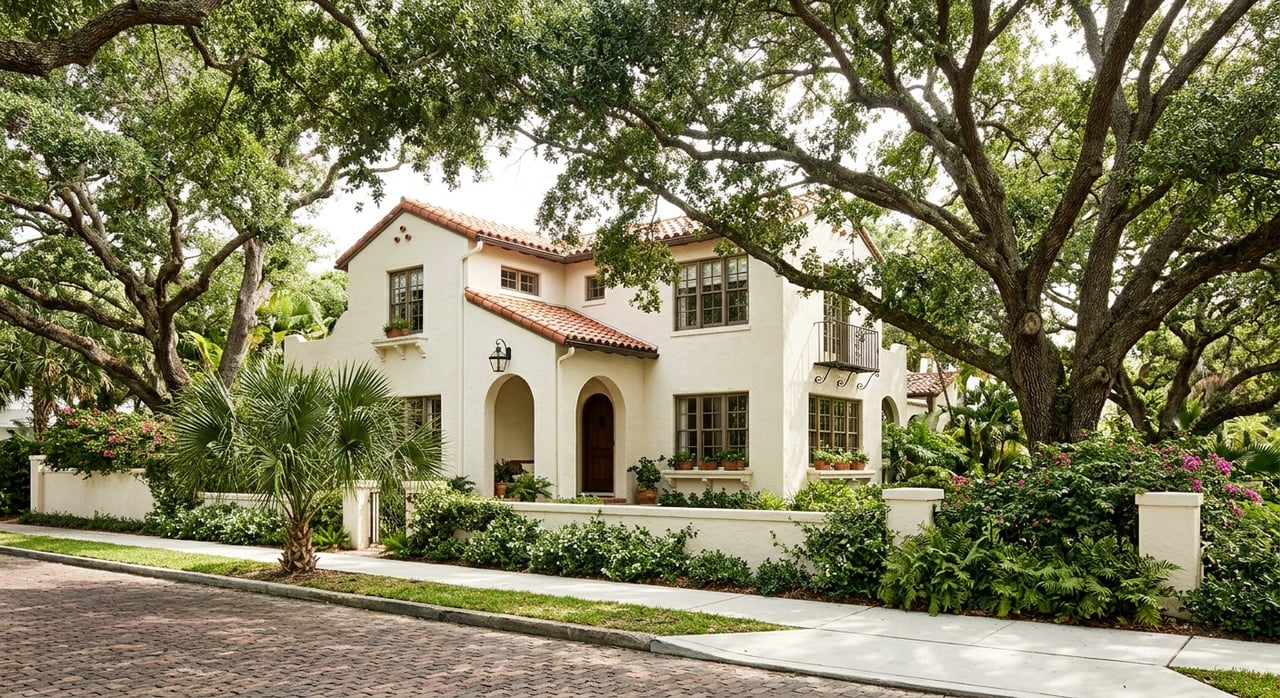
One of the biggest draws in Historic Old Northeast is that the architecture is intentionally mixed rather than uniform. The district includes Frame Vernacular, Masonry Vernacular, Classical Revival, Colonial Revival, Craftsman/Bungalow, Prairie, Mediterranean Revival, Minimal Traditional, Mission, Tudor Revival, Ranch, Art Moderne, and Monterey styles. Most contributing homes were built between about 1910 and 1950.
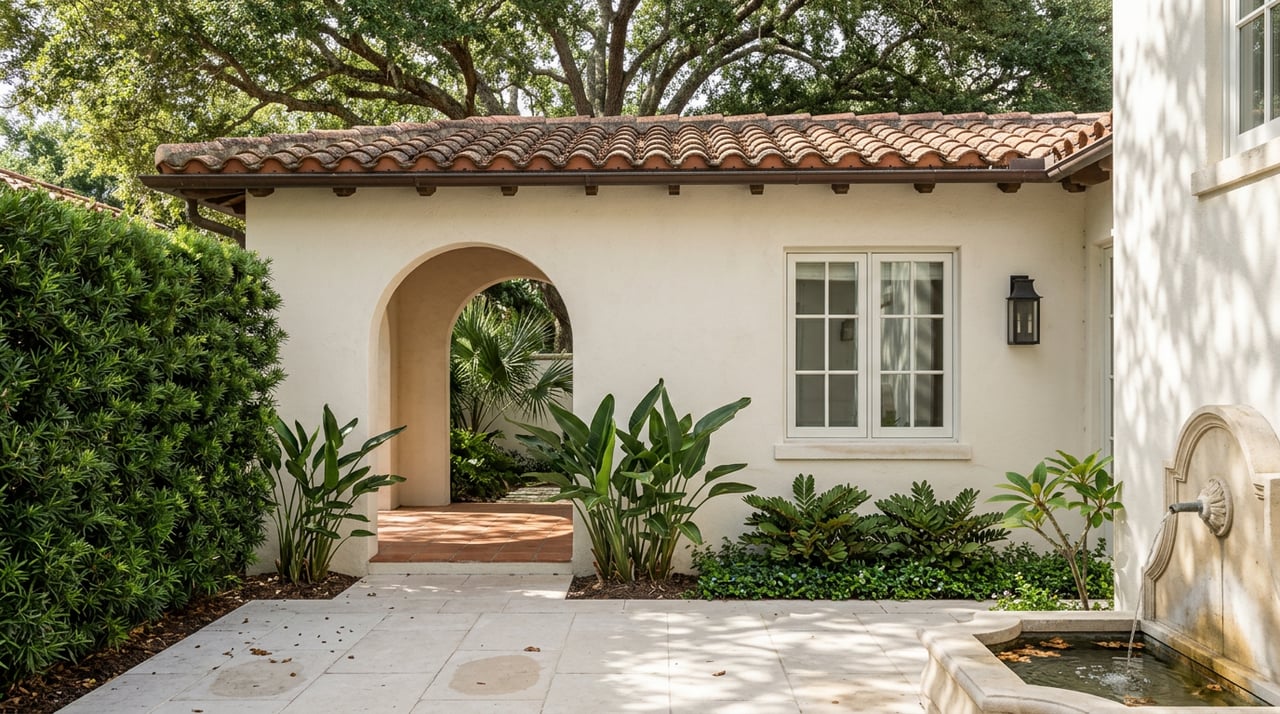
For many buyers, that variety is part of the appeal. Instead of block after block of one look, you see front porches, low-slung bungalows, stucco Mediterranean homes with barrel-tile roofs, and more formal Colonial or Classical Revival houses with columns. Later mid-century forms are layered into the neighborhood as well, which adds depth rather than making the area feel frozen in one era.
Frame Vernacular and Bungalow homes are the most common styles in the district. That helps explain why so many streets feel approachable and lived-in, even in a neighborhood with historic significance. The architecture is visually rich, but it still feels residential and practical.
In Historic Old Northeast, the setting around the homes is a major part of the experience. The National Register nomination highlights original garages and garage apartments tucked behind houses, tropical landscaping, brick streets, granite curbs, and hexagonal block sidewalks. HONNA teaching materials even note that the hexagonal sidewalks have become a symbol of the neighborhood.
That means the neighborhood charm is not limited to individual homes. It shows up in the way the blocks are framed, the way the streets look, and the way landscaping softens the built environment. If you care about the feeling of a place as much as the square footage of a house, this is an important part of the story.
Historic Old Northeast is widely recognized as preservation-minded and community-oriented. That does not mean every house looks the same. It means the overall fabric of the district has been valued and maintained in a way that preserves its identity.
For buyers, this often translates into a neighborhood with stronger visual consistency and a more established sense of place. You are not just buying a house. You are buying into a streetscape, a pattern of development, and a location with long-standing character.
The lifestyle in Historic Old Northeast is shaped by location as much as architecture. The compact street grid, nearby waterfront, neighborhood bus service, and immediate access to downtown all support a day-to-day rhythm that can feel more walkable and connected than many suburban layouts.
You can reasonably picture mornings that start with a walk or bike ride, afternoons that include park time or bayfront views, and evenings with a quick trip downtown for dinner or events. That lifestyle impression is supported by the district’s layout and amenity mix. It feels close-in, active, and residential at the same time.
The neighborhood is also primarily made up of single-family residences on single lots. The National Register nomination notes that many homes are owner-occupied, especially north of 9th Avenue, which helps explain why much of the area tends to feel calm and residential despite its proximity to the city core.
The waterfront is one of the defining themes of Historic Old Northeast. The district slopes toward Tampa Bay and Coffee Pot Bayou, and that geography influences both the visual setting and the lifestyle.
North Shore Park is the area’s signature outdoor amenity. Visit St. Pete-Clearwater describes it as a large waterfront park running along Tampa Bay from Coffee Pot Bayou to Vinoy Park, with scenic walking paths that connect toward Snell Isle and the Gizella Kopsick Palm Arboretum.
The park also includes four lighted tennis courts, North Shore Beach, playgrounds, benches, and a softball field. That combination makes the waterfront feel usable, not just scenic. It supports everything from casual walks to active recreation.
Two nearby attractions add another layer to the neighborhood’s outdoor identity. Sunken Gardens, located at 1825 4th St N, is a historic landmark purchased by St. Petersburg in 1999 after a public campaign. It is home to more than 400 tropical plant species and a diverse butterfly population.
The Gizella Kopsick Arboretum, at 901 N Shore Dr, contains more than 500 palms and cycads representing about 150 species in a two-acre setting. Together, these spaces reinforce the area’s lush, tropical feel and give residents more ways to enjoy the neighborhood beyond their own block.
Coffee Pot Bayou adds even more personality to the setting. Local neighborhood guides note that the area borders Coffee Pot Bay, known for resident manatees. Combined with the bayfront edge and park system, that creates a waterfront identity that feels woven into everyday life.
When buyers ask about Historic Old Northeast, they often want to know whether it actually supports a more connected lifestyle. Based on the neighborhood’s layout and adjacency to downtown, the answer is that it is one of the more convenient historic residential areas in St. Petersburg for people who want access to both recreation and city amenities.
The grid layout helps make the neighborhood easier to navigate, whether you are walking, biking, or driving. The waterfront paths and nearby parks add recreational value, while downtown’s location just to the south keeps dining, entertainment, and events within easy reach.
That combination is a big reason the neighborhood appeals to people who want a preserved residential environment without a more isolated feel. It offers a balance that can be difficult to find: architectural character, outdoor access, and city proximity in one place.
Historic Old Northeast may be a strong fit if you value historic architecture, mature landscaping, walkability, and waterfront access. It can also appeal if you prefer an established neighborhood feel over a newer, more car-dependent layout. For many buyers, the charm is not only in the homes but also in the setting around them.
It may be especially appealing if you want to live near downtown St. Petersburg culture and recreation without giving up a residential atmosphere. The district combines single-family streets, public parks, and close access to the city core in a compact footprint. That is a distinctive mix for local buyers and out-of-town buyers alike.
If you are comparing neighborhoods, this is the kind of place that tends to stand out more in person than on paper. The visual texture, the waterfront setting, and the preserved streetscape all work together. That is often what turns interest into real connection.
From a real estate perspective, Historic Old Northeast offers more than curb appeal. It gives you a neighborhood identity that is clear, consistent, and closely tied to location. In a market like St. Petersburg, that combination often matters to buyers who are thinking about both lifestyle and long-term value.
For luxury and relocation buyers in particular, the neighborhood can check several important boxes at once. You have architectural distinction, immediate access to downtown, and proximity to the bayfront. If your goal is to find a home with personality in one of St. Petersburg’s most recognizable settings, Historic Old Northeast deserves a close look.
Whether you are searching for a historic residence, evaluating a move from out of state, or trying to narrow your options within St. Petersburg, neighborhood context matters. If you want informed guidance on Historic Old Northeast and other premier St. Petersburg neighborhoods, connect with Alexis Logan for strategic, concierge-level support.
Stay up to date on the latest real estate trends.
Get assistance in determining current property value, crafting a competitive offer, writing and negotiating a contract, and much more. Contact Alexis today to discuss all your real estate needs!